Mani Mahesh Kailash: A Pilgrimage to the Abode of Gods (June 2015)
The year was 2015. June. The air hummed with anticipation, not just for the monsoon that was soon to break, but for a journey I had been dreaming of for years: Mani Mahesh Kailash. Nestled high in the Pir Panjal range of the Himalayas, Mani Mahesh is considered one of the most sacred abodes of Lord Shiva. It was more than just a trek; it was a pilgrimage, a soul-stirring quest to connect with something larger than myself.
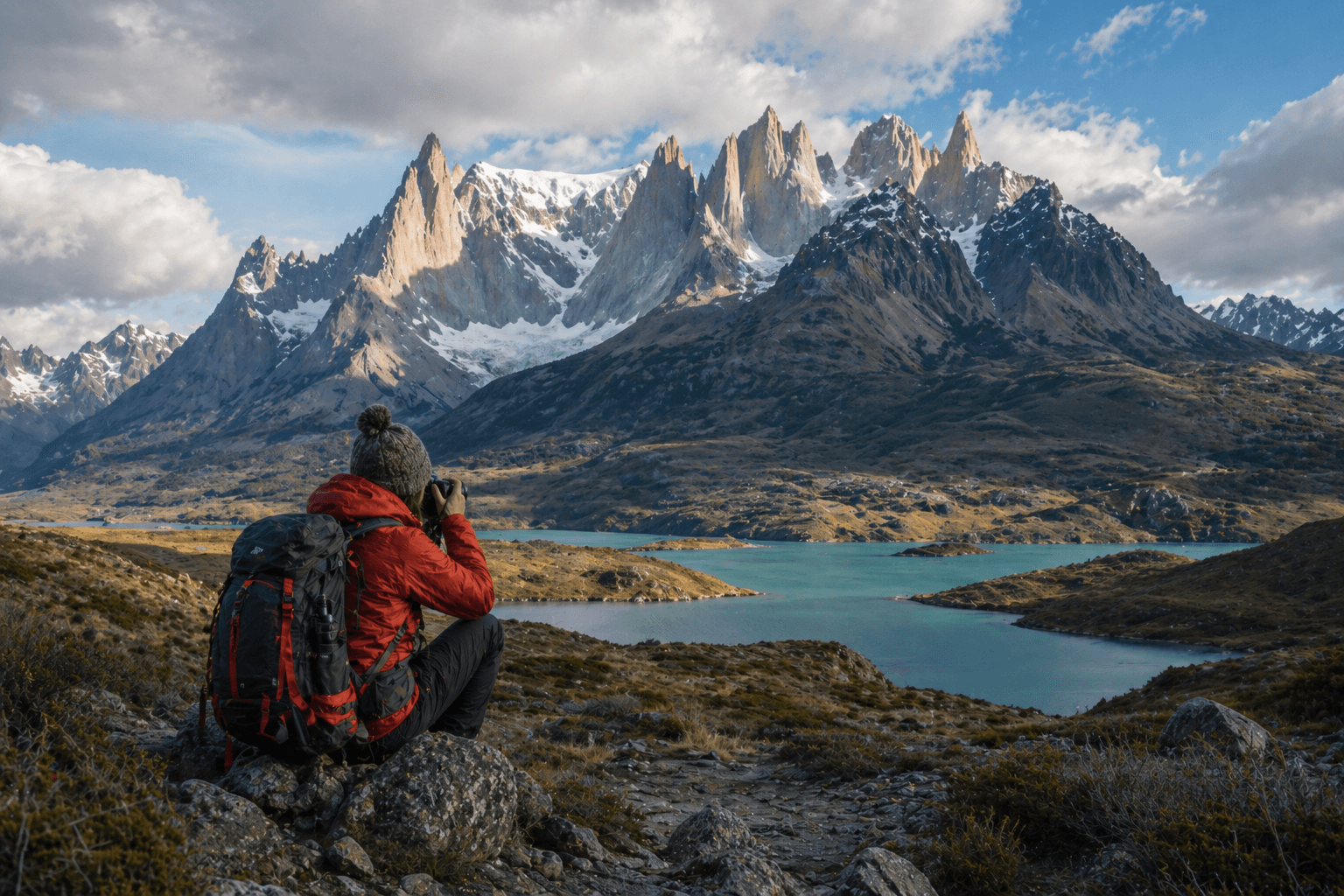
[IMAGE: A panoramic view of the Pir Panjal range, snow-capped peaks piercing the azure sky.]
My journey began in Chamba, a quaint town in Himachal Pradesh. From there, a bumpy jeep ride took me to Bharmour, the gateway to Mani Mahesh. Bharmour itself is steeped in history, home to the ancient Chaurasi Temples, believed to date back to the 7th century. I spent a day acclimatizing, wandering through the temple complex, feeling the weight of centuries of devotion. The air was thick with the scent of incense and the murmur of prayers, a palpable sense of spirituality that set the tone for the days to come.
The next morning, the real adventure began. I joined a group of fellow pilgrims, a diverse mix of ages and backgrounds, all united by a common purpose. Our destination: Mani Mahesh Lake, a glacial lake situated at an altitude of 13,000 feet. The trek started gently enough, following the Budhil River, the path winding through lush green meadows dotted with wildflowers. The air was crisp and clean, the silence broken only by the rushing water and the occasional call of a mountain bird.
[IMAGE: Pilgrims trekking along a narrow path, the Budhil River flowing beside them.]
As we ascended, the landscape began to change. The trees thinned out, replaced by rocky terrain and patches of snow. The climb became steeper, the air thinner. Every step was a conscious effort, a test of physical and mental endurance. There were moments when I questioned my ability to continue, when the altitude sickness threatened to overwhelm me. But then I would look around at my fellow pilgrims, their faces etched with determination, and draw strength from their unwavering faith.
One of the most challenging stretches was crossing the Hadsar stream. The water was icy cold, fed by melting glaciers, and the current was strong. We held onto ropes stretched across the stream, inching our way across, our teeth chattering from the frigid water. It was a moment of vulnerability, a reminder of the power of nature.
[IMAGE: Pilgrims carefully crossing the Hadsar stream, holding onto ropes for support.]
Finally, after what felt like an eternity, we reached Gauri Kund, a small lake believed to be the bathing place of Goddess Parvati. Here, women traditionally take a dip in the holy waters before proceeding to Mani Mahesh Lake. The atmosphere was electric, a mix of exhaustion and exhilaration. We were so close.
The final ascent to Mani Mahesh Lake was the most arduous. The path was steep and rocky, the air thin and biting. But as I rounded the final bend, the sight that greeted me took my breath away. There it was, shimmering in the sunlight: Mani Mahesh Lake, a turquoise jewel nestled amidst towering snow-capped peaks. In the distance, the majestic Mani Mahesh Kailash peak, believed to be the abode of Lord Shiva, stood tall and proud, its reflection mirrored perfectly in the crystal-clear water.
[IMAGE: Mani Mahesh Lake, with the Mani Mahesh Kailash peak reflected in its waters.]
The feeling of reaching the lake was indescribable. A wave of emotion washed over me – relief, joy, gratitude, and a profound sense of peace. I had made it. I had conquered the mountain, both literally and figuratively. I joined the other pilgrims in offering prayers, taking a dip in the icy waters (a truly invigorating experience!), and simply soaking in the beauty and serenity of the surroundings. The air was filled with chants and hymns, a collective expression of devotion that resonated deep within my soul.
Spending time at Mani Mahesh Lake was a transformative experience. It was a chance to disconnect from the noise and distractions of everyday life and connect with something deeper, something more meaningful. I felt a sense of clarity and purpose that I hadn't felt in a long time. It was a reminder of the power of faith, the resilience of the human spirit, and the beauty that exists in the world, even in the most remote and challenging places.
The descent was easier, both physically and mentally. I carried with me the memories of the breathtaking landscapes, the camaraderie of my fellow pilgrims, and the profound sense of peace I had found at Mani Mahesh Lake. The journey had been challenging, but it had been worth it. It was a pilgrimage that had nourished my soul and left me with a renewed sense of wonder and appreciation for the world around me.
[IMAGE: A group of pilgrims smiling and celebrating their successful pilgrimage at Mani Mahesh Lake.]
My trip to Mani Mahesh in June 2015 was more than just a trek; it was a spiritual awakening. It was a reminder that sometimes, the most challenging journeys lead to the most profound rewards. And it's a journey I would recommend to anyone seeking adventure, spiritual growth, and a connection with the divine amidst the stunning beauty of the Himalayas.
Comments (0)
About the Author
Wanderer
Travel Writer
Travel enthusiast sharing stories from around the world.
View ProfileRelated Stories

New Zealand South Island: A Road Trip Through Middle-Earth